Spray Foam Insulation in Germantown, MD
Germantown Spray Foam Insulation
Does your home run hot upstairs in July, feel drafty near the baseboards in January, or just never seem to settle at a comfortable temperature? Insulation is usually where to start looking.
Germantown Spray Foam Insulation works with homeowners across Germantown to improve comfort, reduce energy waste, and get their homes sealed right. We focus on spray foam insulation because it addresses both heat transfer and air leakage at the same time. We also offer blown-in and fiberglass insulation for situations when they are a better fit.
Whether your home is a 1980s townhome in Churchill Village, a newer build in Milestone or Kingsview, or something in between, the right insulation approach depends on the structure, the space, and what is actually happening inside the walls and attic.
Why Should You Choose Germantown Spray Foam Insulation?
Good Insulation Does More Than Keep a House Warm!
As you know Maryland's climate has harsh extremes. Summers in Germantown regularly push into the upper 80s and low 90s with humidity that makes the heat feel heavier than the thermometer shows. Winters bring cold snaps that drop into the low 20s, often with that damp chill that seeps through walls that aren't properly sealed.
Insulation is what sits between your living space and all of that. It affects how evenly your home heats and cools, how hard your HVAC system has to work, and whether certain rooms ever feel comfortable regardless of what the thermostat says.
A lot of Germantown homes, particularly those built between the 1970s and 1990s, have insulation that has settled, thinned out, or was never quite right to begin with. When that happens, conditioned air escapes, outside air finds its way in, and rooms that should be comfortable are not.
We look at each situation individually. Spray foam is often the strongest option for sealing gaps and reducing air movement. Blown-in works well for attic upgrades. Fiberglass still makes sense in plenty of applications. Our goal is to find the right solution for your problem; not to upsell you on material and services your home may not need.

Request a Free Estimate!
Our Insulation Services
Signs Your Home May Need Better Insulation
You don't always need to see a problem to feel one. Many Germantown homeowners notice insulation issues through discomfort long before they trace it back to a root cause.
Some of the most common signs include:
• Upstairs rooms that stay hot all summer even with the AC running
• Drafts near exterior walls, ceilings, or floors, especially in older townhomes
• Energy bills that seem high relative to how the house is being used
• Rooms above garages that are significantly colder in winter or hotter in summer than the rest of the home
• Uneven temperatures between floors or between rooms on the same floor
• Attic insulation that looks flat, thin, dirty, or uneven
• HVAC equipment that cycles constantly without keeping up with the thermostat
• Humidity or moisture issues in attic or crawl spaces
Insulation problems don't fix themselves. Material that's settled or compressed can lose effectiveness over time, and air leaks tend to get worse as homes age and settle causing micro gaps in infrastructure. Addressing the insulation before HVAC issues compound is usually the more cost effective path.
Why Spray Foam Is Often the Right Starting Point for Germantown Homes
Most traditional insulation slows heat transfer but doesn't necessarily stop air from moving where it shouldn't. In a climate like Germantown's, that gap matters. Humid air getting into an attic in summer, or cold air infiltrating through a rim joist in January, is an insulation problem that fiberglass alone can't fully solve.
Spray foam addresses both. It expands after application filling in gaps and seams that other insulation types leave exposed. That's why it tends to produce the most noticeable comfort improvements in homes.
Spray foam is often the strongest fit for:
• Attics: particularly in 1980s-era homes and older where original insulation has degraded
• Rim joists: a common entry point for cold air in Germantown's older townhome stock
• Crawl spaces: where Maryland's seasonal moisture makes closed-cell foam especially practical
• Garage ceilings beneath bedrooms: a common comfort complaint in attached-garage homes
• Bonus rooms and additions: where thermal performance is often inconsistent
• Basement walls and wall cavities
• Areas with persistent drafts despite other improvements
Not every home needs spray foam in every location. Some areas are better served by blown-in or fiberglass, and the right recommendation depends on the structure, the existing insulation condition, ventilation requirements, and moisture exposure. We look at the actual situation before recommending a direction.
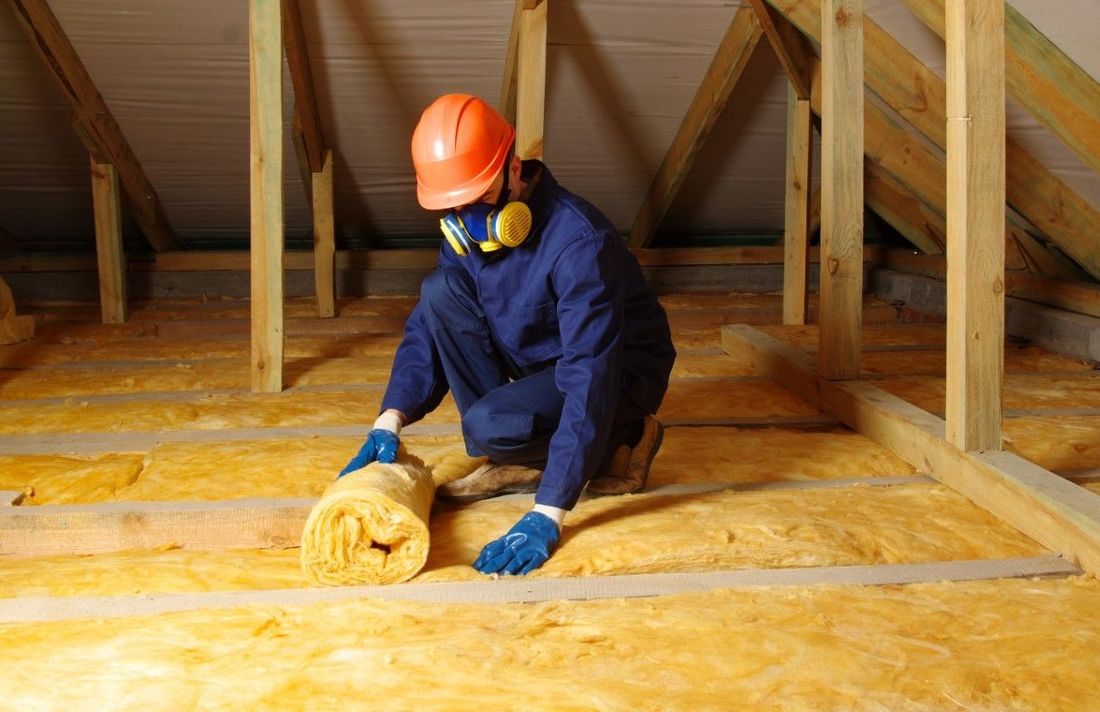
Germantown Insulation Service Built Around Real Homes
Germantown is a mixed housing market. You've got 1970s and 1980s townhome communities like Churchill Village alongside newer construction in neighborhoods like Milestone, Kingsview, and Neelsville. The insulation needs in a 40-year-old row house are going to be different from those in a home built in 2005 for example. Then consider a renovated addition or a bonus room above a garage and you can see how individualized each home situation is.
We don't show up with one size fits all recommendations. The job starts with understanding what the space actually looks like, what the existing insulation is doing (or not doing), where comfort problems are coming from, and your budget.
For most homeowners, the priorities are straightforward: fewer drafts, better temperature control, and an HVAC system that isn't working harder than it should be to keep up regardless of the season. Better insulation addresses all of these when it's installed in the right place and with the right material.
Maryland's humid summers and cold winters mean there's real year-round payoff to getting insulation done right!
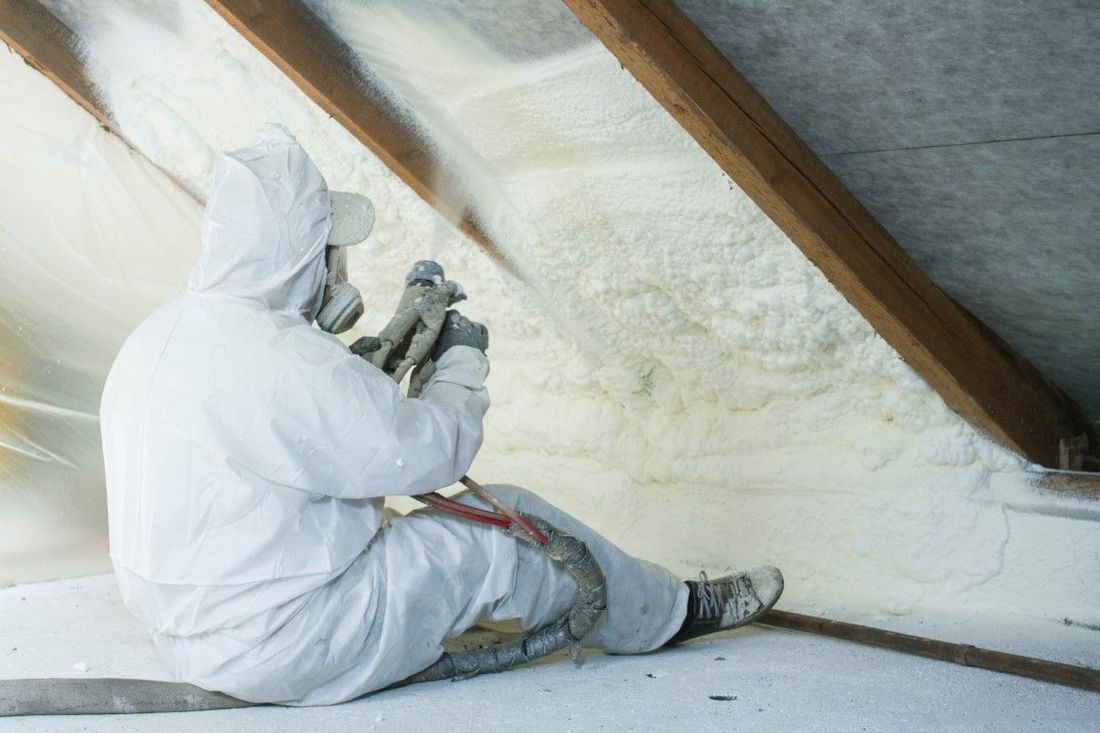
How the Insulation Process Works
1. Request an Estimate
Call or submit the contact form with your property type, the issue you're looking to solve, and the area you want looked at. You don't need to have it all figured out, that's what the review is for.
2. Review the Space
We take a look at the attic, crawl space, garage, wall cavities, or whichever area is the source of the problem. In older Germantown homes, it's often more than one area and seeing it directly is the only way to give an honest recommendation.
3. Choose the Right Insulation
Spray foam, blown-in, and fiberglass each have situations where they work best. The recommendation is based on performance needs, access, moisture exposure, budget, and the condition of insulation already present.
4. Complete the Installation
Once the scope is clear and the material is chosen, we get the work done. No drawn out timelines.
5. Feel the Difference
Most homeowners notice the change fairly quickly. Rooms that used to be stubbornly uncomfortable begin holding temperature better, and the HVAC doesn't have to run as hard to keep up.
If your home isn't staying comfortable the way it should, or if you know the insulation is old and overdue for a look, this is the right place to start!
Germantown Spray Foam Insulation serves homeowners throughout Germantown and the surrounding Montgomery County area. Whether you need spray foam for a serious air sealing job or a blown-in attic upgrade, we'll give you a straight answer on what makes sense for your home.
Other services you may be interested in:
Frequently Asked Questions
Is spray foam insulation worth it for older Germantown homes?
For a lot of the 1970s and 1980s-era townhomes in neighborhoods like Churchill Village, spray foam is one of the most impactful upgrades you can make. These homes were built before modern energy codes, and the insulation in the attic, rim joists, and crawl spaces has often degraded significantly over the decades. Spray foam addresses air sealing and insulation in one application, which tends to produce the most noticeable comfort improvement for that housing type.
How does Germantown's humidity affect insulation?
It matters more than most homeowners realize. Germantown sits in what's classified as a mixed-humid climate zone, with average relative humidity running between 60% and 75% through the summer months. That moisture can work its way into attics, crawl spaces, and rim joist areas if they're not properly sealed. Closed-cell spray foam is particularly well-suited for high-moisture areas because it adds a moisture barrier on top of its insulating value. Without proper air sealing, humid air in the summer and cold air in the winter both find paths into the home that undermine comfort and HVAC efficiency.
Can blown-in insulation be added over what's already in my Germantown attic?
Often yes, but it depends on the condition of the existing material. In many Germantown homes built before the 1990s, the attic insulation has settled well below the recommended depth for our climate zone. If the existing material is dry, clean, and not contaminated, blown-in insulation can be added over it to bring coverage up to where it should be. If there's moisture damage, mold, pest activity, or other issues in the existing insulation, removal is usually the right first step before any new material goes in.
Will better insulation actually lower my energy bills in the Germantown area?
For most homes the answer is yes. The amount of savings varies depending on the current insulation condition, the HVAC system, and where the biggest air leaks are. Germantown's summers regularly push into the upper 80s and low 90s, which puts real pressure on cooling systems when attic insulation isn't doing its job. Spray foam in an attic can reduce attic temperatures significantly on hot days, which directly reduces the load on air conditioning. Winter savings come primarily from reduced cold air infiltration through rim joists and other penetration points. Homes with poor existing insulation tend to see the most noticeable improvement.
Do I need spray foam throughout my whole house, or just in specific areas?
Most homeowners don't need spray foam everywhere. They just need it in areas where air leakage or moisture exposure is the main problem. For a typical Germantown home, that often means the attic, rim joists, and crawl space, with the rest of the home handled by blown-in or fiberglass where appropriate. Spray foam tends to make the most sense where you need both insulation value and a tight air seal in the same space. Other areas may be better and more cost effectively served by different materials. We'll walk you through what makes sense for your home rather than defaulting to a single material or one size fits all approach.